Vasari Corridor Tours Logo
English| EUR
Suggested for you
More currencies
Book Now

Vasari Corridor Tickets

Walk the elevated corridor linking the Uffizi to the Pitti Palace, high above the Ponte Vecchio and the Arno.

3 Attractions
€22.5 From
Destination guide

Why Visit the Vasari Corridor?

When Cosimo I de' Medici married his son to Habsburg nobility in 1565, he ordered Giorgio Vasari to build a covered walkway across an entire city in five months.

Read more Show less

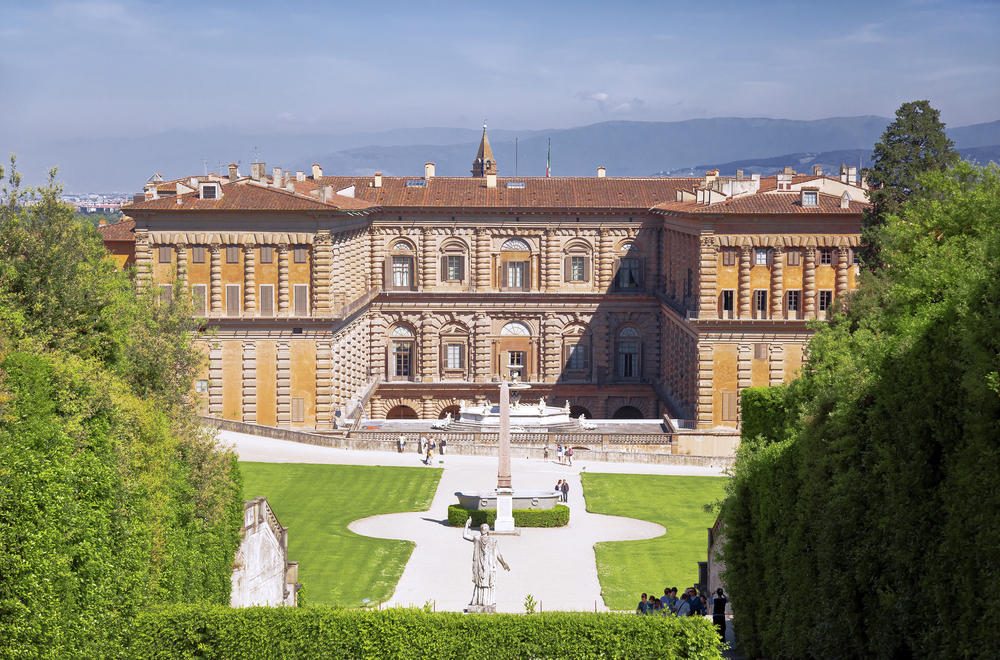
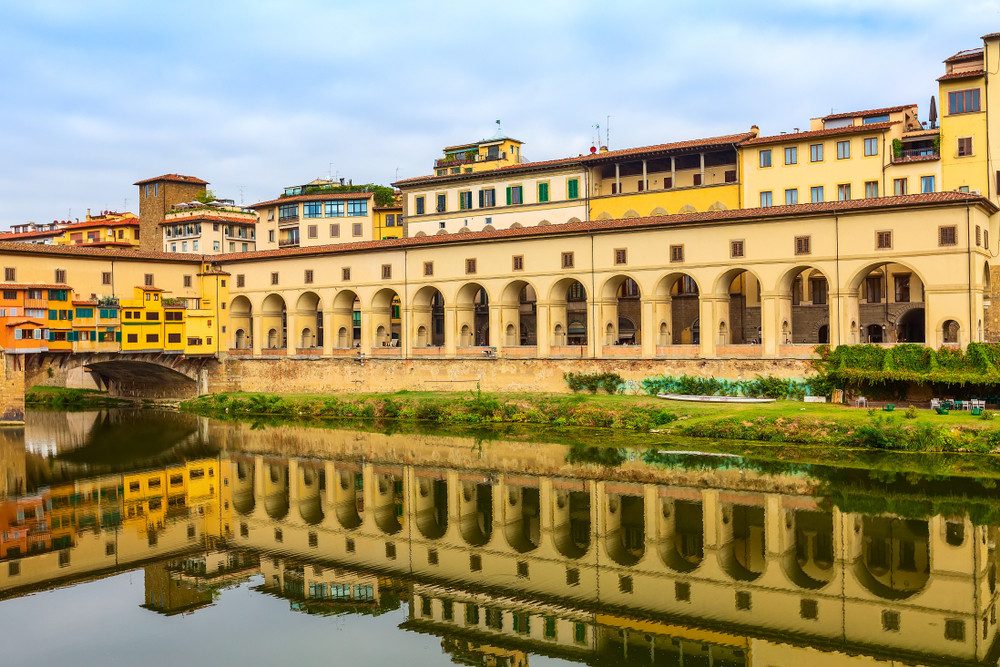
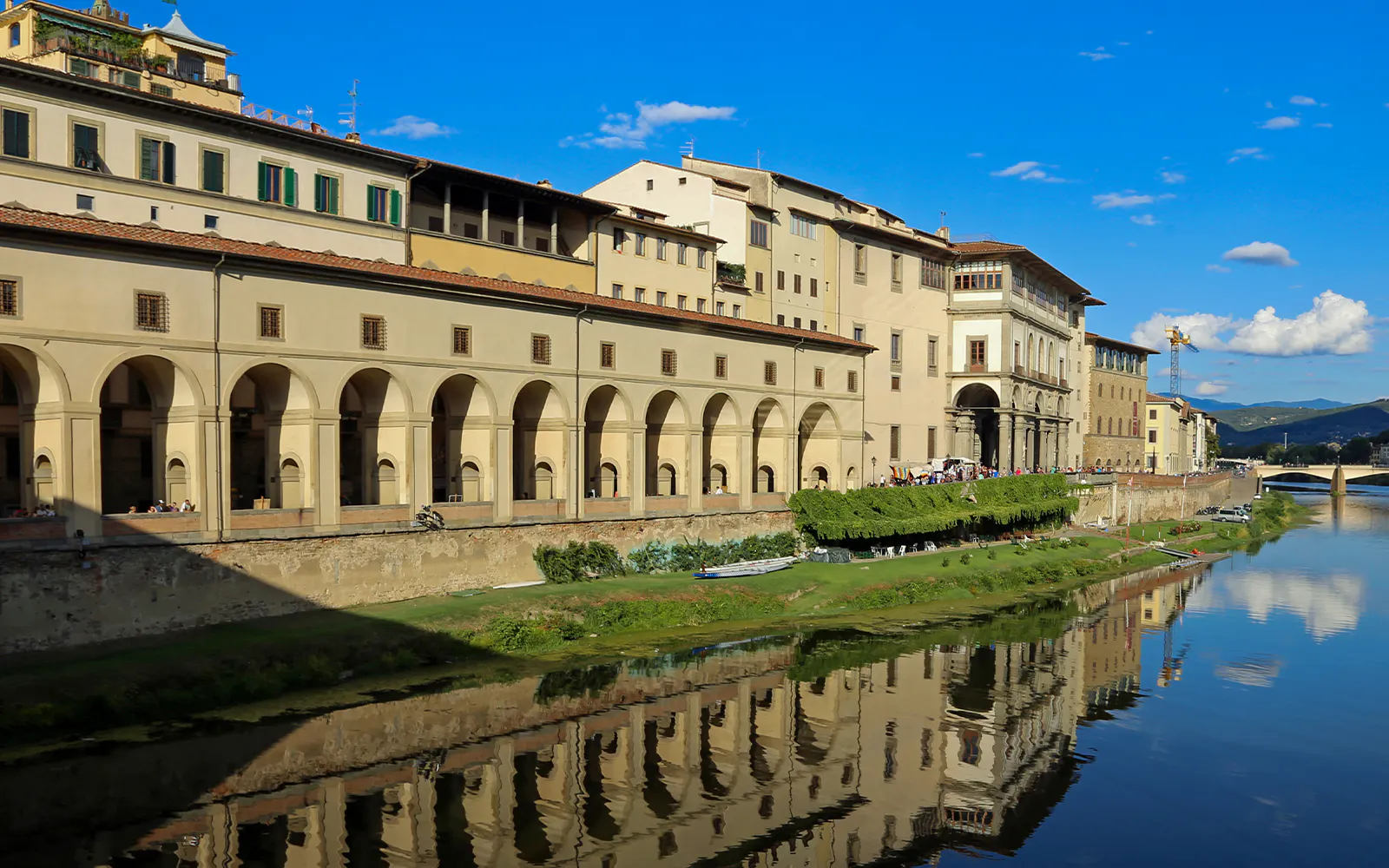
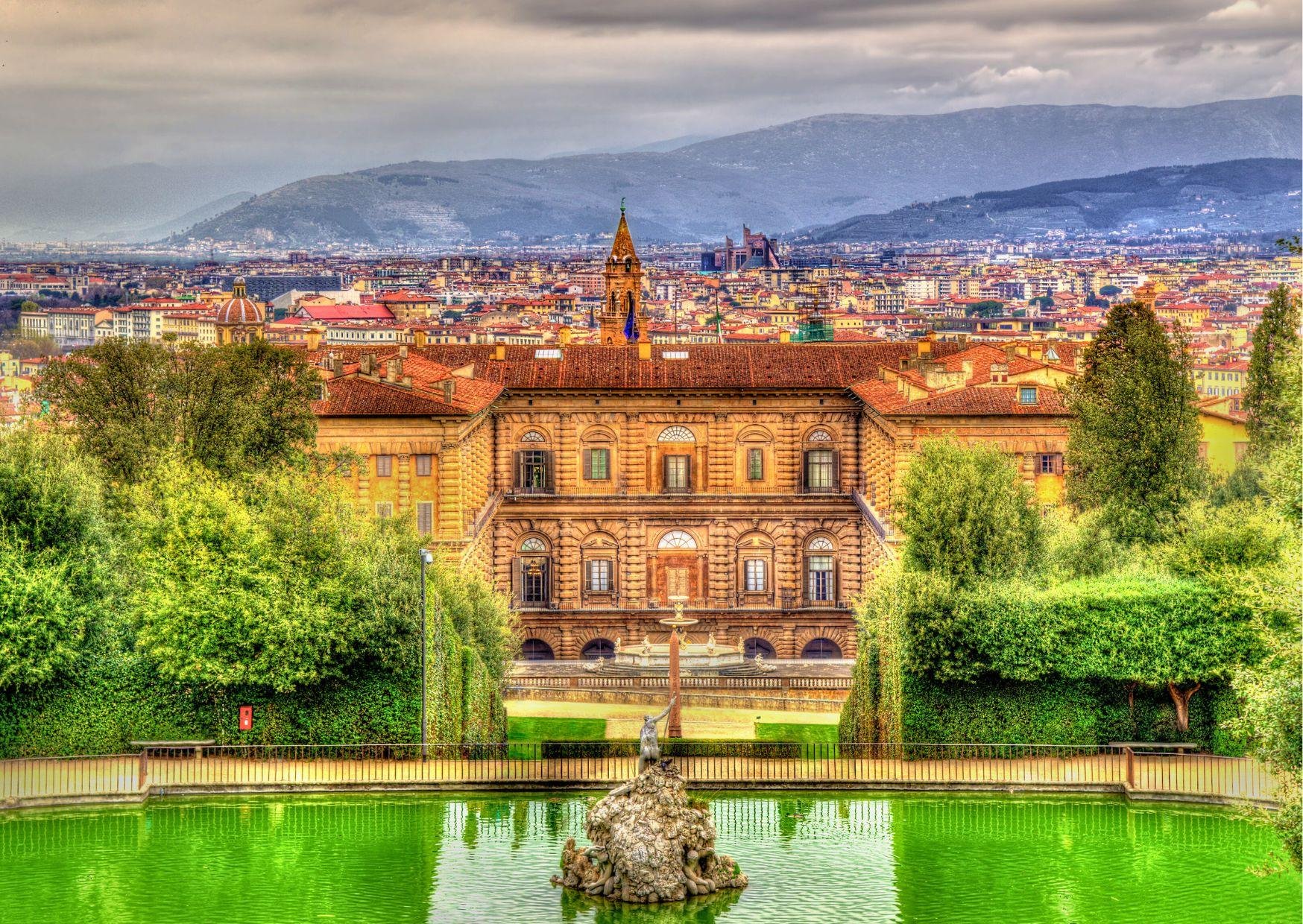
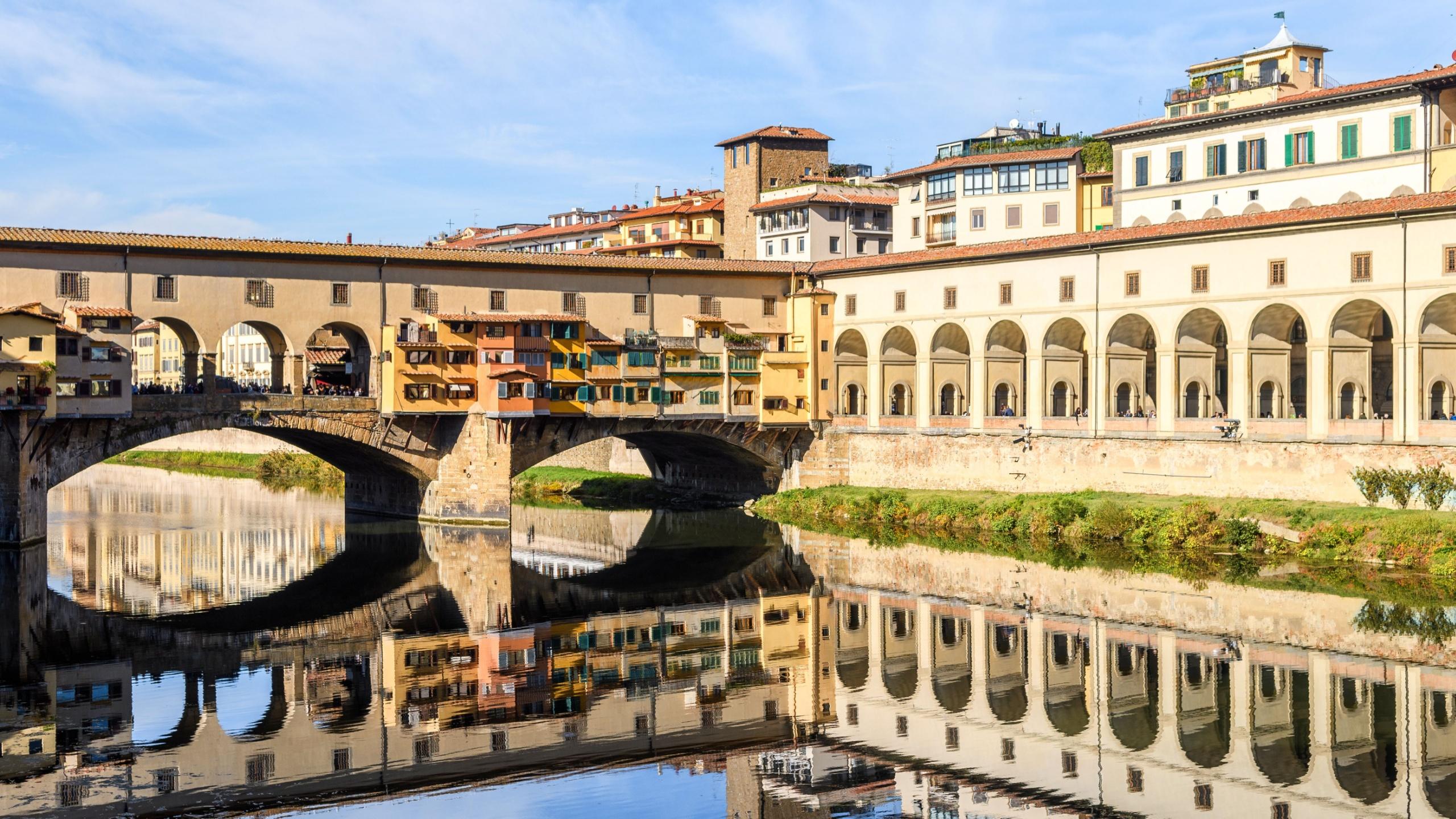
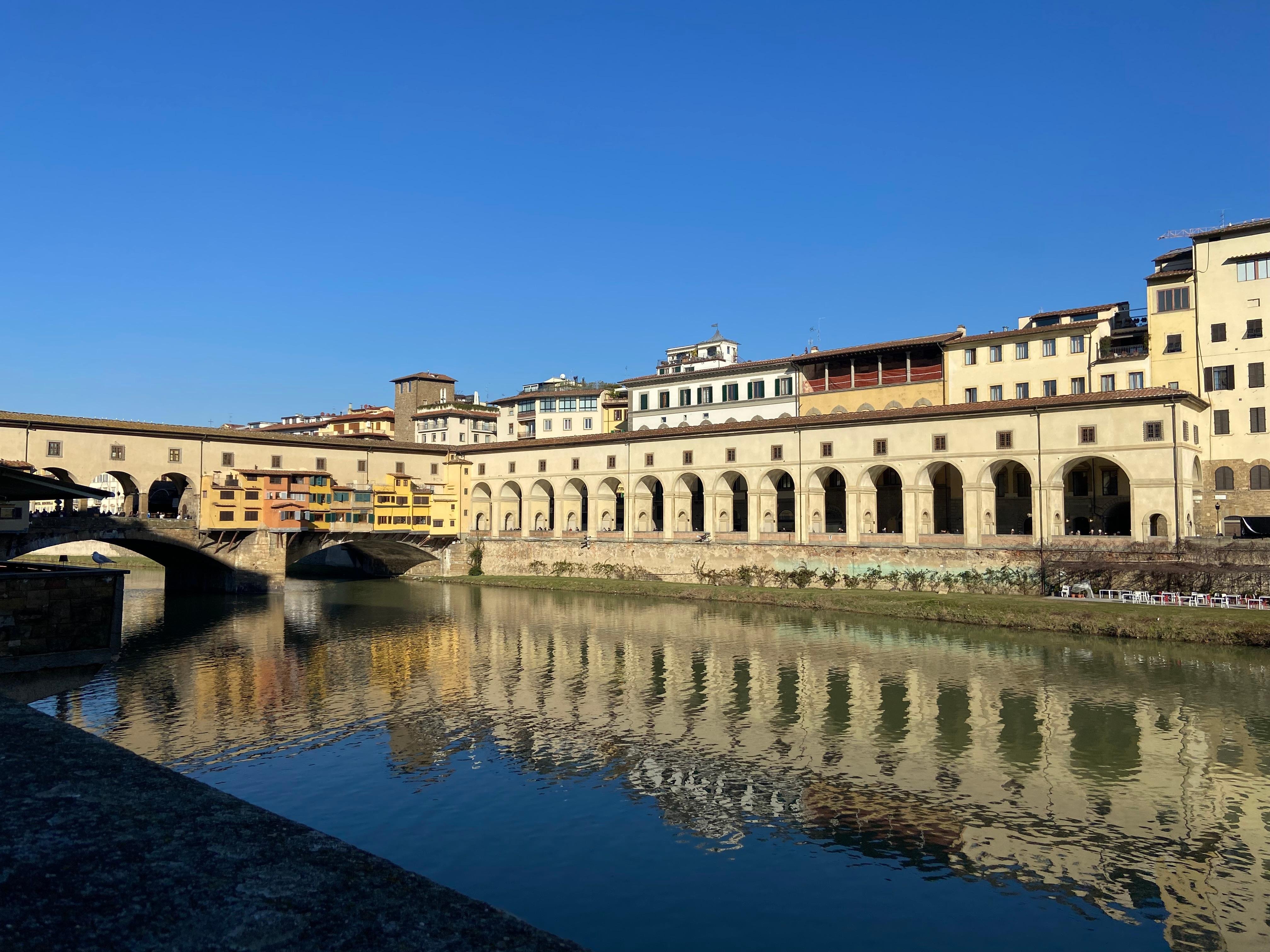
The result still stands: a raised passage that leaves the Uffizi, hugs the Arno, rides over the Ponte Vecchio, bends around a stubborn tower whose owners refused to sell, and slips into the Boboli Gardens behind the Pitti Palace. Vasari Corridor Tickets grant entry to that same improbable route today.

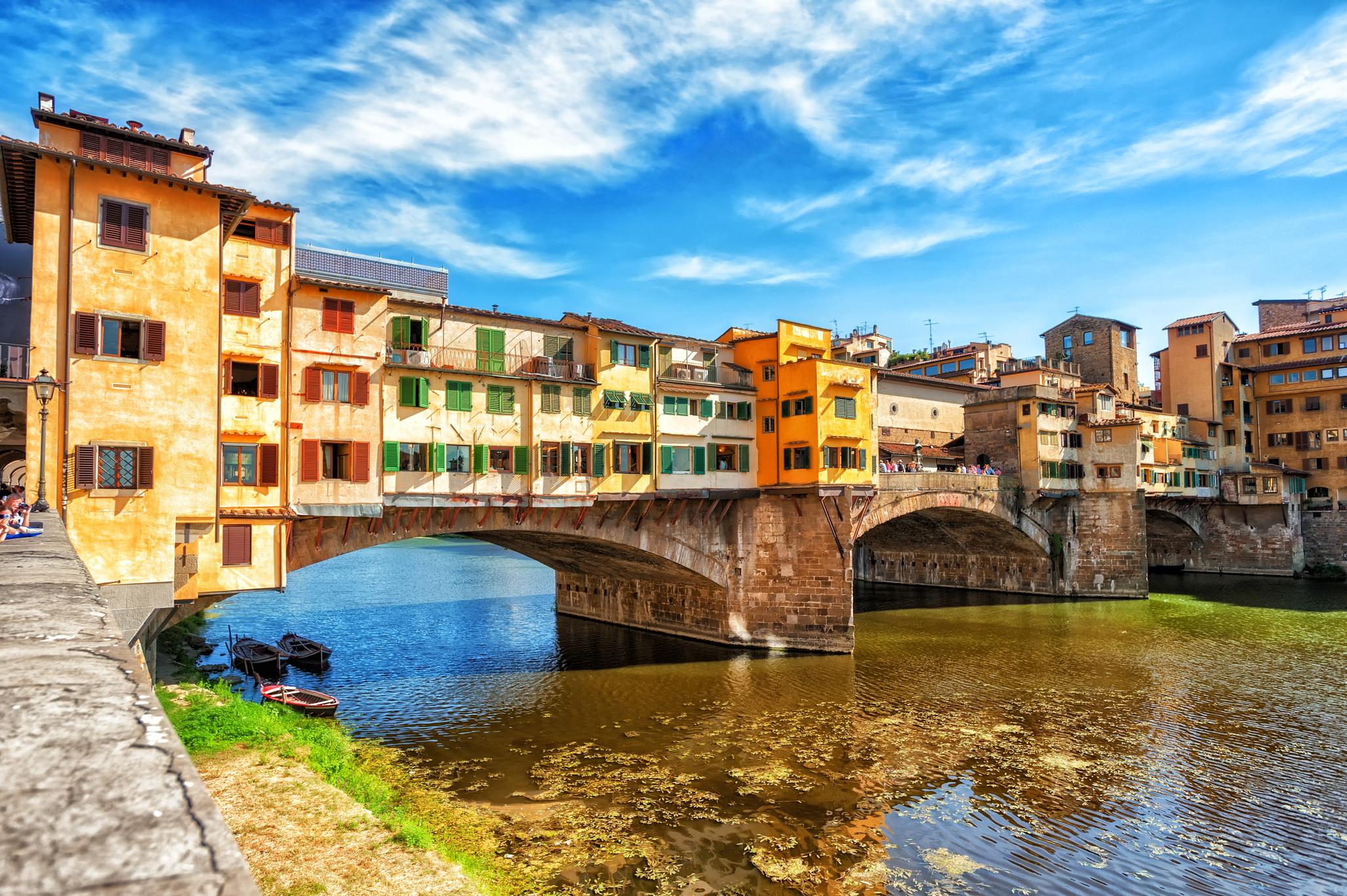
What shaped the corridor was fear as much as ambition. A ruling family that had been exiled and attacked wanted a way to cross Florence unseen, above the crowds and knives of the street. That anxiety produced an architectural marvel. The Medici even ordered the butchers beneath the Ponte Vecchio replaced with goldsmiths, so the smell would not rise into their private walkway. The jewelers remain on the bridge to this day, a direct inheritance of that single fastidious command.

Today the passage defines a particular way of seeing Florence: from inside the machinery of the Renaissance rather than the piazza below. A visit sits within a wider constellation of sights. Skip-the-line Vasari Corridor access reads best alongside the Uffizi Gallery and Vasari Corridor Combo, the walk down to the Pitti Palace and its Vasari Corridor experience, and, for those who want silence and time, a Private Vasari Corridor Luxury tour. Each frames the same monument differently. The windows over the Arno, the little church balcony at Santa Felicita where the family heard Mass unseen, the long climb toward the Boboli greenery — these are the notes visitors carry away.

The destination suits a specific traveler. It rewards those who care about how power built its spaces, who prefer engineering and architecture to a checklist of masterpieces, and who value a small group over a scrum. Photographers prize the framed river views; students of the Renaissance treat the walk as a primary document. It is less suited to travelers seeking a quick landmark selfie, since the experience is measured, guided, and deliberately paced. Booking Vasari Corridor Tickets tours in advance is essential, and most visitors fold their Vasari Corridor Tickets tour into a day that begins in the Uffizi and ends across the river in the Oltrarno. A well-planned Vasari Corridor Tickets tickets reservation turns a corridor into a narrative — the story of a dynasty that built a road through the sky rather than share the ground with its own city.

“The Medici built a road through the sky rather than share the ground with their own city.”

Elevated Medici Passage

A private aerial route commissioned in 1565 connecting the Uffizi to the Pitti Palace across the heart of Florence.

Above the Ponte Vecchio

The corridor runs directly over the medieval bridge, offering framed views of the Arno few visitors ever see.

Timed Guided Entry

Access is limited to small guided groups on set schedules, keeping the corridor uncrowded and intimate.

Most popular

Top attractions in Vasari Corridor

The Vasari Corridor is best experienced as one link in a chain, and how you approach it depends on which side of the Arno you want to weight. Each of these Vasari Corridor tour options pairs the elevated passage with a different anchor: the Uffizi's galleries, the Pitti Palace's grand rooms, or a private guide setting the pace. Choose by what you want on either end of the walk, and by how much room you want the crowd to leave you.

Day plans

Vasari Corridor Tickets and a 2-Day Florence Itinerary

The Corridor runs one-way from the Uffizi across the Ponte Vecchio to the Pitti Palace, so it slots naturally into a plan that starts in the historic core and finishes in the Oltrarno. This two-day route pairs the Corridor with the Uffizi combo, the Pitti Palace experience, and a private option, while leaving room for free landmarks like the Duomo and Piazza della Signoria. Book Corridor entry ahead, since access is timed and tied to guided routes.

1
Morning

Duomo and Piazza del Duomo

Circle the cathedral, baptistery, and Giotto's bell tower on foot before crowds build; allow about 90 minutes and book any climb slot in advance.

2
Late morning

Piazza della Signoria

Walk through the open-air sculpture at the Loggia dei Lanzi and past Palazzo Vecchio, a five-minute stroll toward the Uffizi entrance.

3
Afternoon

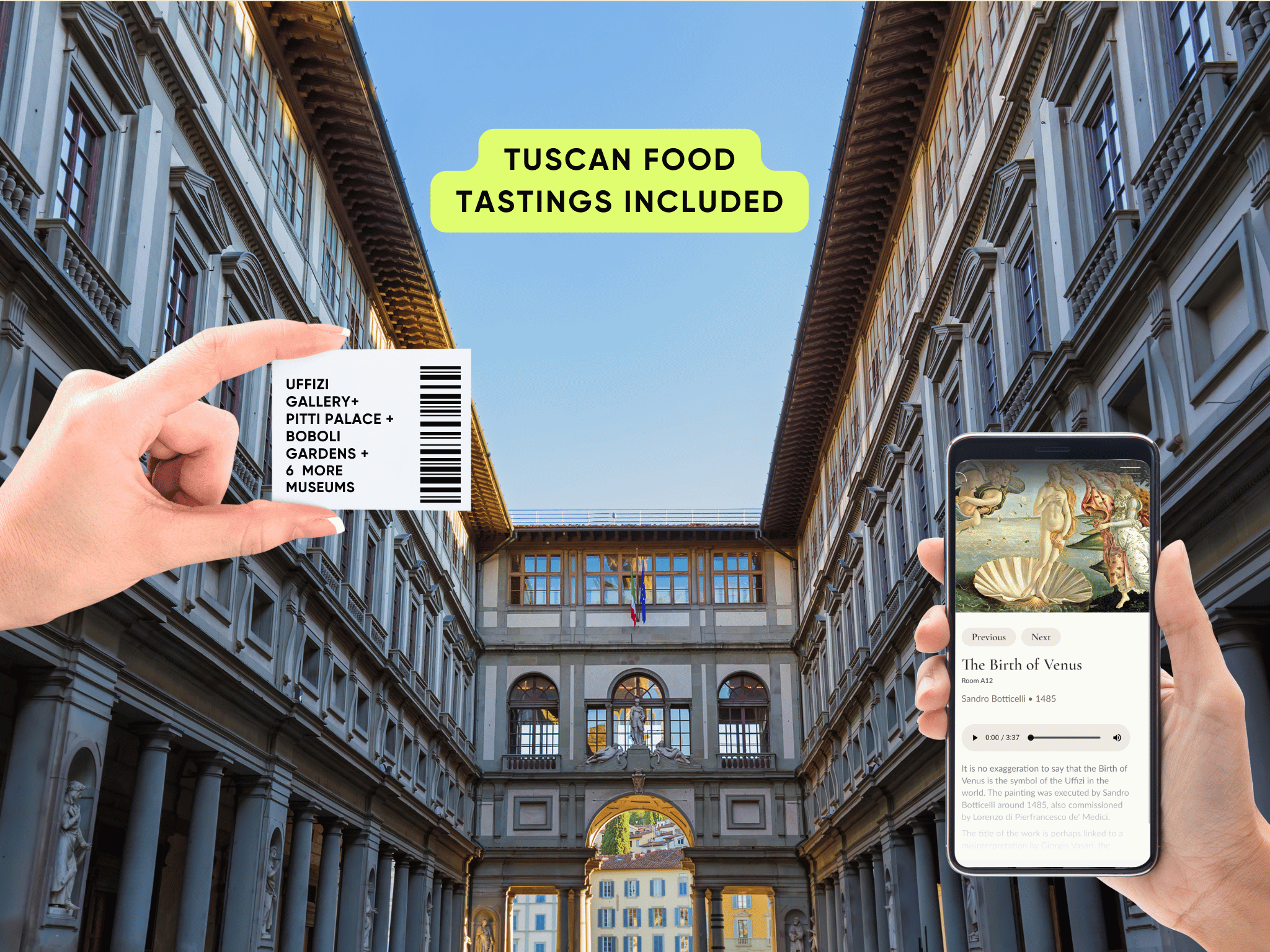
Uffizi Gallery and Vasari Corridor Combo

Tour the gallery's main rooms, then enter the Corridor for the one-way passage over the Ponte Vecchio; reserve the timed combo since Corridor spots are limited.

View guide
4
Evening

Ponte Vecchio at street level

Return to the bridge from below to see the goldsmith shops and river views the Corridor passes above; a short walk from the Uffizi exit.

1
Morning

Pitti Palace and Vasari Corridor Experience

Pick up the Corridor's Oltrarno end and continue into the Palatine Gallery and royal apartments; plan two to three hours for the palace interiors.

View guide
2
Midday

Boboli Gardens

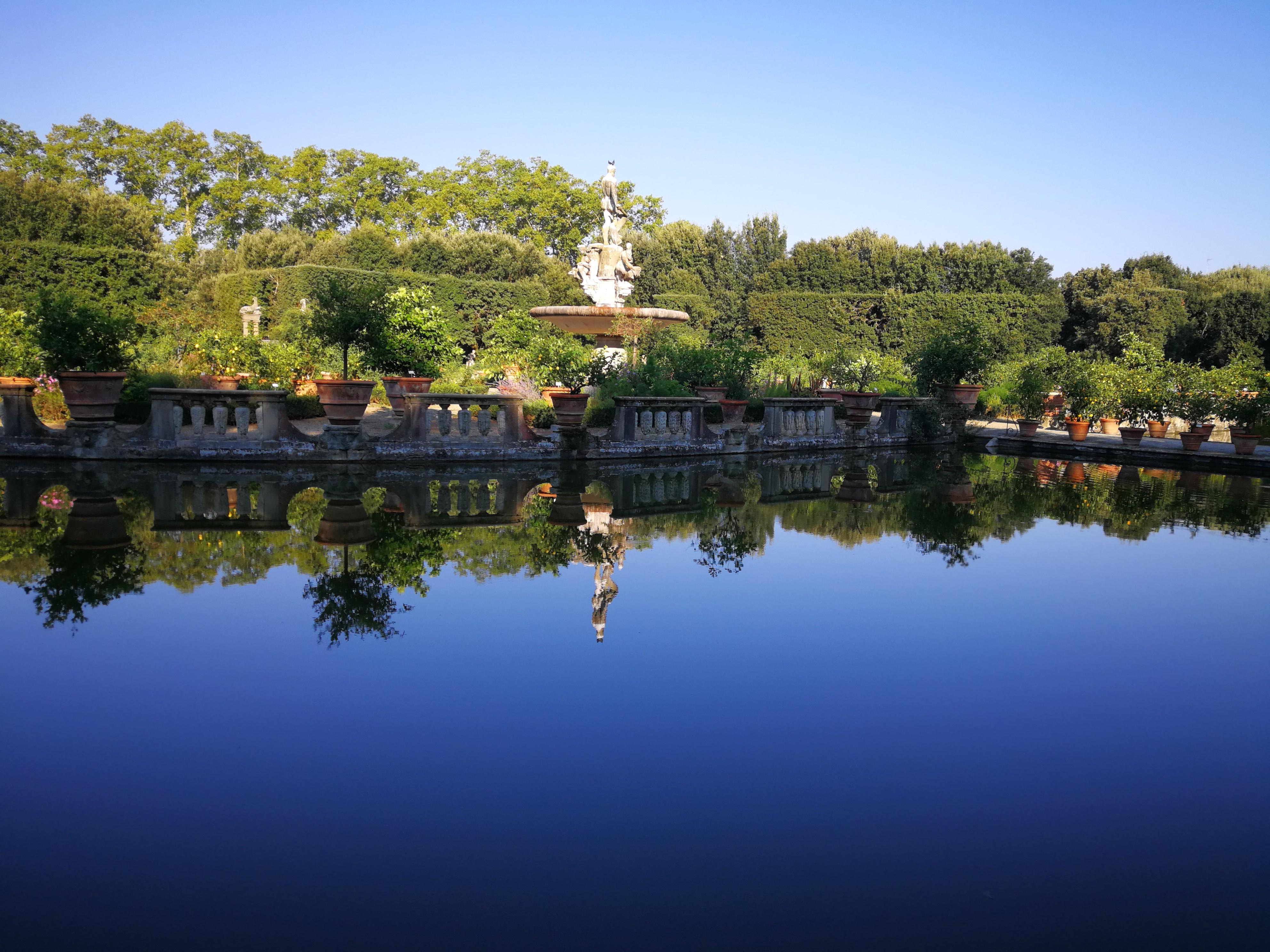
Walk the terraced gardens behind the palace for the amphitheater and hilltop viewpoints; an hour covers the main axis.

3
Afternoon

Private Vasari Corridor Luxury Tour

Take a small-group or private guided route for a slower read of the Corridor's windows and portrait collection at your own pace; arrange the private option ahead of time.

View guide
4
Evening

Piazzale Michelangelo

Climb or ride up for the wide view back over the river, the bridges, and the Corridor's line across the city; go near sunset for the best light.

Where to go

Vasari Corridor Tickets: Where the Route Sits Among Florence's Districts

The Vasari Corridor runs as a raised, enclosed passageway stitching together two districts on opposite banks of the Arno: Centro Storico to the north and Oltrarno to the south. It crosses via Ponte Vecchio, so understanding the corridor means understanding the neighborhoods it threads between, plus the Santa Croce area just east of the northern end.

Centro Storico

Best for: First-timers · major sights

This is Florence's monumental core, packed with the Uffizi, Palazzo Vecchio, and the Duomo within a few blocks of each other. Streets here are dense with foot traffic and the corridor's northern entrance sits inside this cluster, above the Uffizi's own galleries.

Oltrarno

Best for: Art, gardens · slower pace

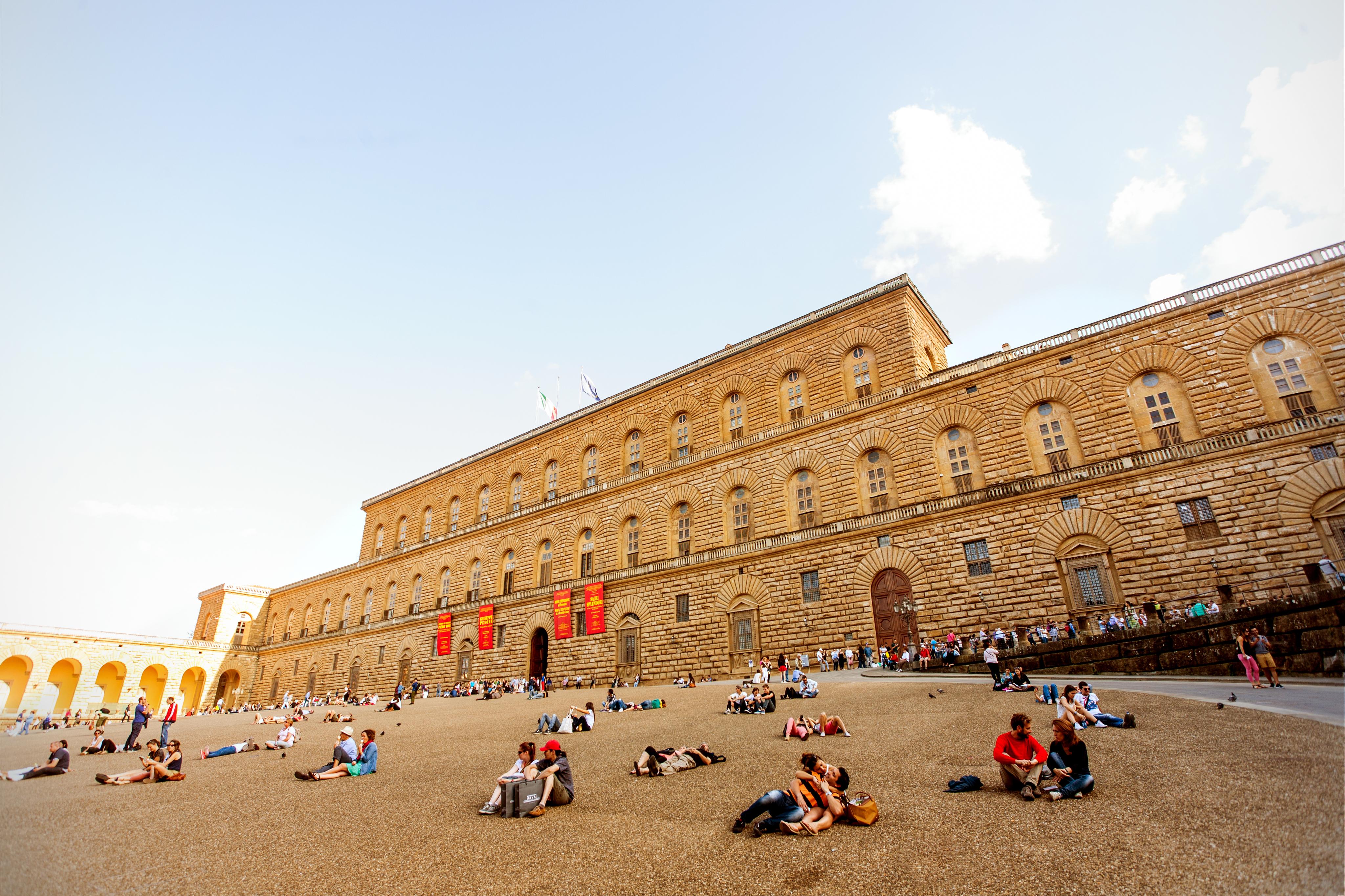
South of the Arno, this district feels quieter and more residential, built around Pitti Palace, Boboli Gardens, and workshops tucked into side streets. The corridor's southern end opens into Palazzo Pitti, making Oltrarno the natural second half of a corridor visit.

Santa Croce

Best for: Local color · artisan shops

Centered on the Basilica di Santa Croce, this neighborhood sits just east of the corridor's northern reach and mixes leather workshops with student-heavy streets. It's an easy add-on for visitors already based near the corridor's Centro Storico entrance.

Ponte Vecchio area

Best for: Photo stop · orientation point

The medieval bridge itself, lined with jewelry shops, is the physical hinge where the corridor crosses the Arno above the shopfronts. It's less a residential district than a landmark crossing point linking the two banks.

Save money

Vasari Corridor Tickets vs the Firenze Card: Which Do You Need?

The Firenze Card is Florence's official museum pass, but it does not automatically include the Vasari Corridor, so anyone who wants to walk the Corridor needs to plan for a second ticket on top of it.

Firenze Card 72-hour museum pass Vasari Corridor supplement Add-on ticket, card holders Top pick
Uffizi + Corridor combined ticket For non-cardholders
Price €85 per person €20 per person (reduced rate for Firenze Card holders only)
What's included 60+ museums, villas, and gardens across Florence for 72 hours from first entry One-time entry to the Vasari Corridor only, booked on top of the card
Vasari Corridor access? Not included, must be added separately Yes, this is the add-on itself
Booking requirement Reserve entry times for Uffizi, Accademia, and other headline sites Must be booked at least 45 minutes after the linked Uffizi entry time, same-day slots limited
Best for Visitors planning multiple museums over 3 days Firenze Card holders who decide they also want the Corridor

Verdict: If the Corridor is on your list, budget for it separately: €20 on top of the €85 Firenze Card, or €47 as a standalone combined ticket if you are skipping the card entirely.

Costs

Vasari Corridor Tickets: Budgeting for Your Florence Museum Visit

Florence runs moderately expensive for Italy, priced above smaller Tuscan towns but below Venice or Milan, with museum-heavy days pushing costs higher than a typical city break.

Mid-range hotel/night Centro Storico or Oltrarno double room
€90-150
Sit-down meal Trattoria, one course plus wine
€15-25
Coffee at the bar Standing price, higher seated
€1.50-2.50
Transit day pass ATAF, unlimited rides
€5.00
Single transit ride ATAF bus or tram
€1.70
Museum entry (Uffizi-linked ticket) Varies by combo and Vasari Corridor add-on
€25-58
Taxi ride Useful for late evenings
€3.30 start + €1.10/km

Daily budget: A culture-focused day covering one major museum ticket, two meals, coffee, and local transit runs roughly €60-90 per person on a budget plan or €100-140 mid-range including a better dinner and taxi legs.

Beyond the city

Beyond Vasari Corridor Tickets: Day Trips From Florence

Museum visits pair naturally with day trips into the wider Tuscan countryside, and Siena, Pisa, and Chianti all work as out-and-back excursions from Florence without an overnight stay.

Siena

1h 30 min

regional train from Santa Maria Novella

Gothic cathedral and the shell-shaped Piazza del Campo make for a full day of walking, with direct trains running roughly hourly.

Pisa

1 hour

regional train from Santa Maria Novella

The Leaning Tower and Piazza dei Miracoli are a short walk from Pisa Centrale, making this the fastest round trip on this list.

Greve in Chianti

1h 20 min

SITA/Autolinee Toscane bus from the Florence bus station

A walkable base for Chianti Classico, with an enoteca on the main square for tasting several local producers without arranging transport between wineries.

Chianti countryside (Greve, Panzano, Castellina)

Full day, self-guided or tour

Guided minivan or bus tour departing central Florence

Individual wineries sit apart on rural roads with no bus service between them, so a guided tour or rental car covers more ground than the bus alone.

Food & drink

Vasari Corridor Tickets: Where to Eat Near the Corridor Route

Florence built its food identity around the fifth quarter — offal, bread, and beef — served at market stalls rather than white tablecloths. The route between the Uffizi and the Oltrarno passes within a short walk of two of the city's oldest markets, both good stops before or after a Corridor visit.

Bistecca alla fiorentina

€€€

dish

A thick-cut, bone-in T-bone steak grilled rare over charcoal, traditionally served for two; found at Oltrarno trattorias near Palazzo Pitti, at the end of the Corridor route.

Lampredotto

dish

Boiled tripe from the fourth stomach chamber, chopped and served in a bread roll with salsa verde; sold at trippaio stalls inside and around the Mercato di Sant'Ambrogio.

Mercato Centrale

€-€€

market

A two-floor San Lorenzo market with fresh produce on the ground floor and food stalls upstairs, including long-running lampredotto and tripe vendors; a short walk from the Duomo end of the Corridor area.

Mercato di Sant'Ambrogio

market

An older, more local market on Piazza Ghiberti near Santa Croce, known for I' Trippaio di Sant'Ambrogio's tripe and lampredotto sandwiches and the trattoria Da Rocco's cafeteria-style Tuscan lunches.

Trippa alla fiorentina

dish

Tripe stewed in tomato sauce with parmesan, sold alongside lampredotto at the same market trippaio stands as a plated alternative to the sandwich.

Ponte Vecchio goldsmith quarter snacking

street

The shops flanking the Corridor's crossing of the Ponte Vecchio give way to small bakeries and gelaterie on the Oltrarno side, useful for a quick bite while walking the bridge.

The story

The History Behind Vasari Corridor Tickets

In 1565 Cosimo I de' Medici, first Grand Duke of Tuscany, commissioned Giorgio Vasari to raise an elevated passage across Florence. The occasion was dynastic: the marriage of his son Francesco to Joanna of Austria. Vasari finished the kilometre-long corridor in roughly five months. It threaded from the Palazzo Vecchio, over the Uffizi, along the Arno, and across the Ponte Vecchio into the Pitti Palace. The Medici could now move between seat of government and private residence unseen, insulated from the crowds and knives of the street. Anyone seeking Vasari Corridor Tickets today follows that same guarded line. The route bent behind the Mannelli Tower, whose owners refused demolition, and later gained round windows added for Adolf Hitler's 1938 visit. In 1593 Ferdinando I banned butchers from the Ponte Vecchio below; goldsmiths replaced them, and the bridge's jewellers endure. In August 1944 retreating German forces dynamited the neighbouring bridges but spared the Ponte Vecchio, though blasts wrecked the corridor's approaches. Postwar repairs reopened it, yet structural and safety concerns forced a long closure from 2016. Restoration ran until the passage reopened in 2024, and Vasari Corridor Tickets tickets are again issued for timed entry. Booking a Florence Vasari Corridor tour now grants what was once a princely privilege. The skip-the-line Vasari Corridor access reveals the self-portrait collection and the low windows framing the river. Among Florence landmarks, few tell the Medici story so directly. Visitors on Vasari Corridor Tickets tours still walk the sloping floor above the goldsmiths; a single Vasari Corridor Tickets tour traces four centuries of quiet grand-ducal power.

1565

Cosimo I commissions Vasari to build the corridor for his son's wedding.

1565

Vasari completes the kilometre-long passage in roughly five months.

1593

Ferdinando I expels butchers from the Ponte Vecchio, admitting goldsmiths.

1938

Round panoramic windows are cut for Adolf Hitler's state visit.

1944

German mines destroy neighbouring bridges but spare the Ponte Vecchio.

2016

Structural and safety concerns close the corridor to visitors.

2024

The restored corridor reopens for timed public entry.

FAQ

Frequently Asked Questions: Vasari Corridor Tickets

Everything you need to know about visiting Vasari Corridor Tickets

Ready to Explore?

Choose from amazing attractions and create unforgettable memories in this beautiful city

View All Attractions