3 hr
Florence: Intimate Uffizi Gallery Tour with Vasari Corridor Option
- Entry ticket
- Mobile voucher
- Valid same day
- Free cancellation
Uffizi And Vasari Corridor Tour — Combined Reserved Entry
A gallery of Medici masterworks, a passage above the Arno.
Compare fares, pick the fit — all bookings are mobile-voucher and eligible for free cancellation where shown.
3 hr
3 hr
2 hr 30 min
Worth it for repeat visitors, not first-timers
The uffizi and vasari corridor tour costs 47 EUR per adult combined, and what you get is unusual: a one-way passage above the Ponte Vecchio that exits across the Arno with no return, preceded by roughly two hours in the Uffizi galleries you must walk before the corridor door opens. Groups run to 25 people at a set pace, so you move when the guide moves. For someone seeing Botticelli and the Medici collections for the first time, that lead-in is the real value and the Corridoio Vasariano is a bonus. For a returning visitor who already knows the galleries, the reverse is true — the elevated walkway, the river windows and the Boboli-side exit justify the premium on their own. Budget travellers doing Florence landmarks in one day will feel the price. Skip-the-line Uffizi entry alone covers most people's needs; these Florence gallery tours suit those who want the passage itself.
Bottom line: Book the uffizi and vasari corridor tour tour if the passage is the draw; otherwise a standard Uffizi ticket serves you better for less.
Hand-picked experiences loved by thousands of travelers
1.5 - 2 hours
Free Cancellation
Explore Renaissance masterpieces with a professional guide and enjoy priority entry to the world-renowned Uffizi Gallery.
Check in with ticket and ID two hours before your Corridor slot, then enter the main Uffizi galleries.
Walk through the second-floor galleries featuring Botticelli, Leonardo, and Raphael before your Corridor time slot.
Gather at the Venetian small chapel meeting point on the first floor for ticket and ID verification.
Follow Gallery staff along the elevated passage over the Ponte Vecchio and through Santa Felicita church.
Conclude the guided walk near the Boboli Gardens entrance of Palazzo Pitti.
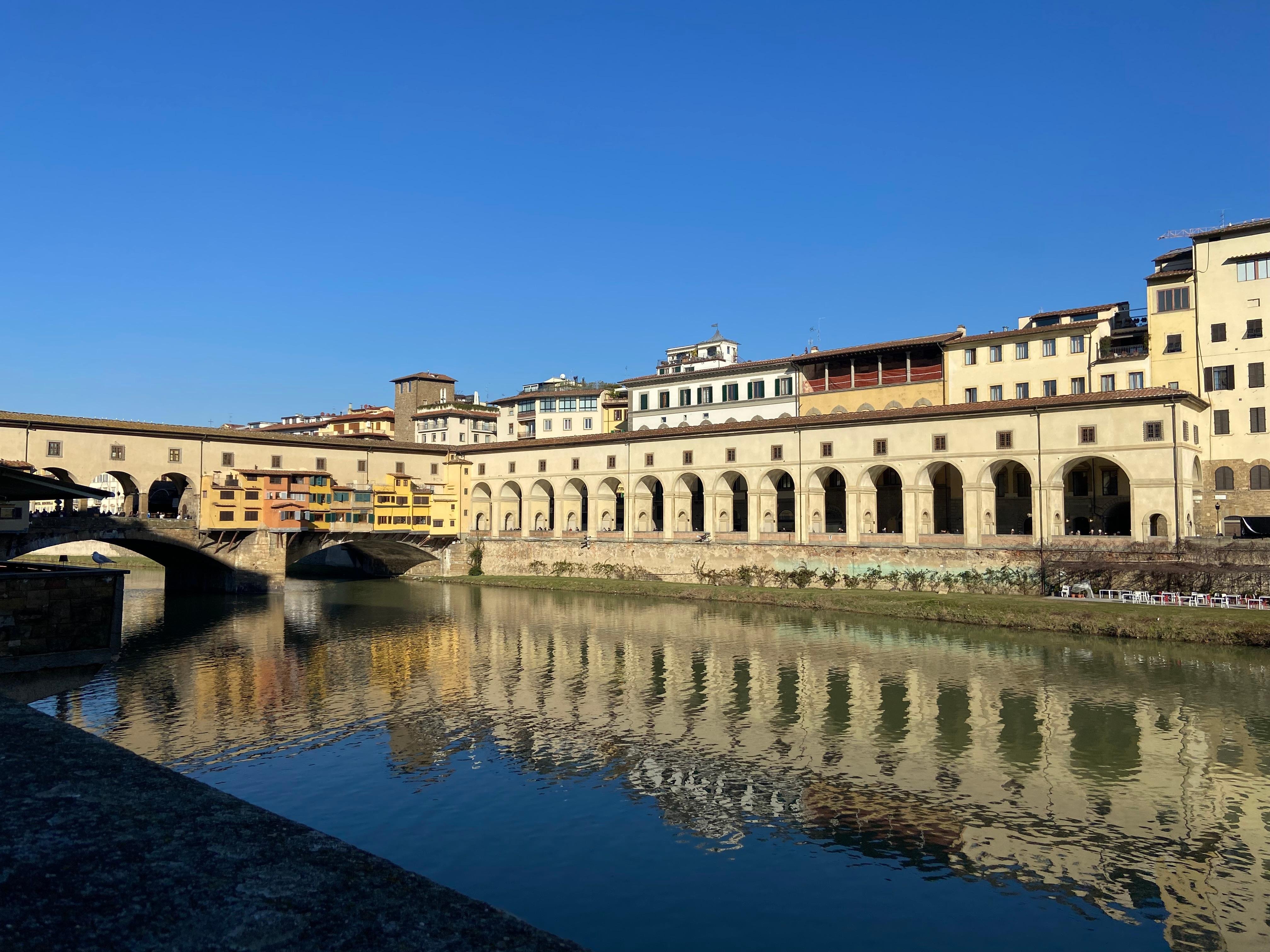
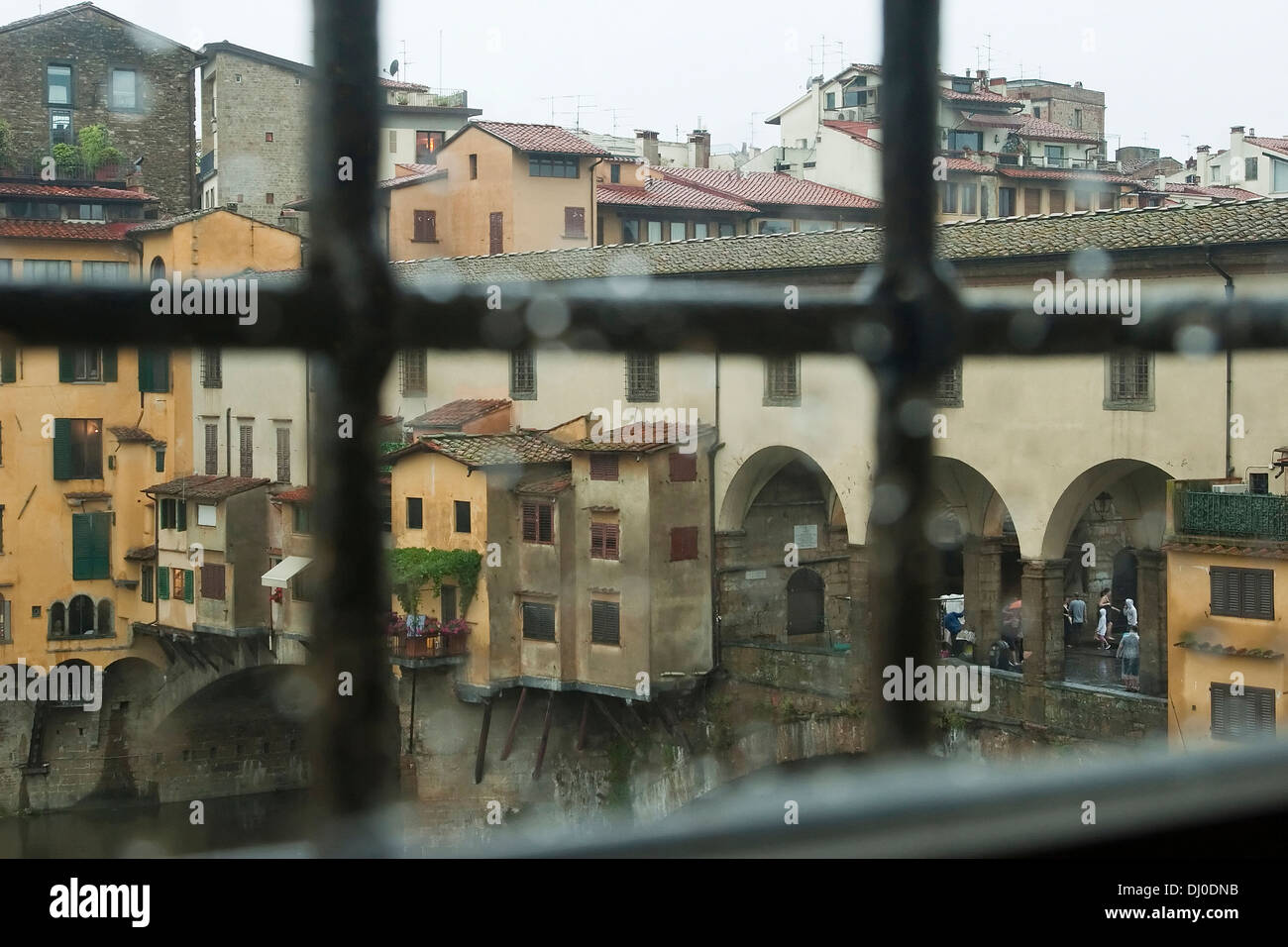
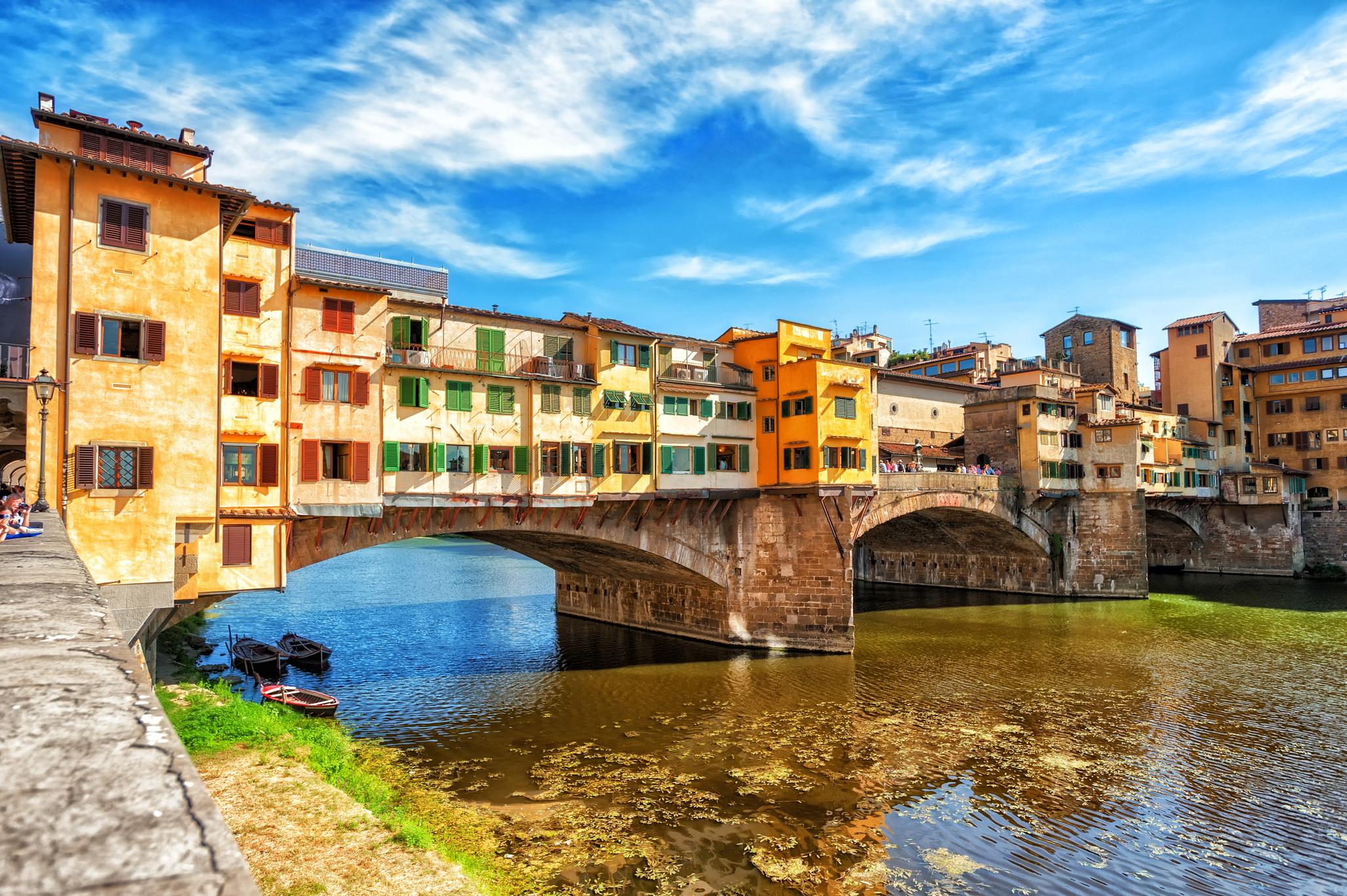
The Corridor passes directly above Florence's oldest bridge through a row of panoramic windows enlarged in 1939 on Mussolini's orders ahead of a visit by Hitler. Below, the bridge's goldsmith shops replaced the original butcher stalls in 1593 so the passage above would not carry unpleasant odors.
Partway across the Oltrarno side, the Corridor opens into a private balcony inside the Church of Santa Felicita, letting the Medici grand dukes attend Mass without descending among the congregation. The balcony window was only recently reopened to visitors after long closure.
Near the end of Ponte Vecchio, the passage swerves outward on supporting brackets to skirt the medieval Mannelli Tower, whose owners refused to let Vasari's builders cut through their property in 1565. The detour remains visible from the street below as a distinctive jog in the Corridor's stone facade.
The Corridor's Uffizi-side entrance sits inside a small Venetian chapel space on the first floor, where staff check tickets and photo ID against each visitor's name before the guided walk begins. This checkpoint marks the formal start of the roughly 760-meter route.
A stretch of the Corridor running above the riverbank offers a continuous line of windows facing the Arno toward Ponte Santa Trinita, among the passage's most photographed interior views. This section survived intact through World War II bombing that destroyed most of Florence's other river crossings.
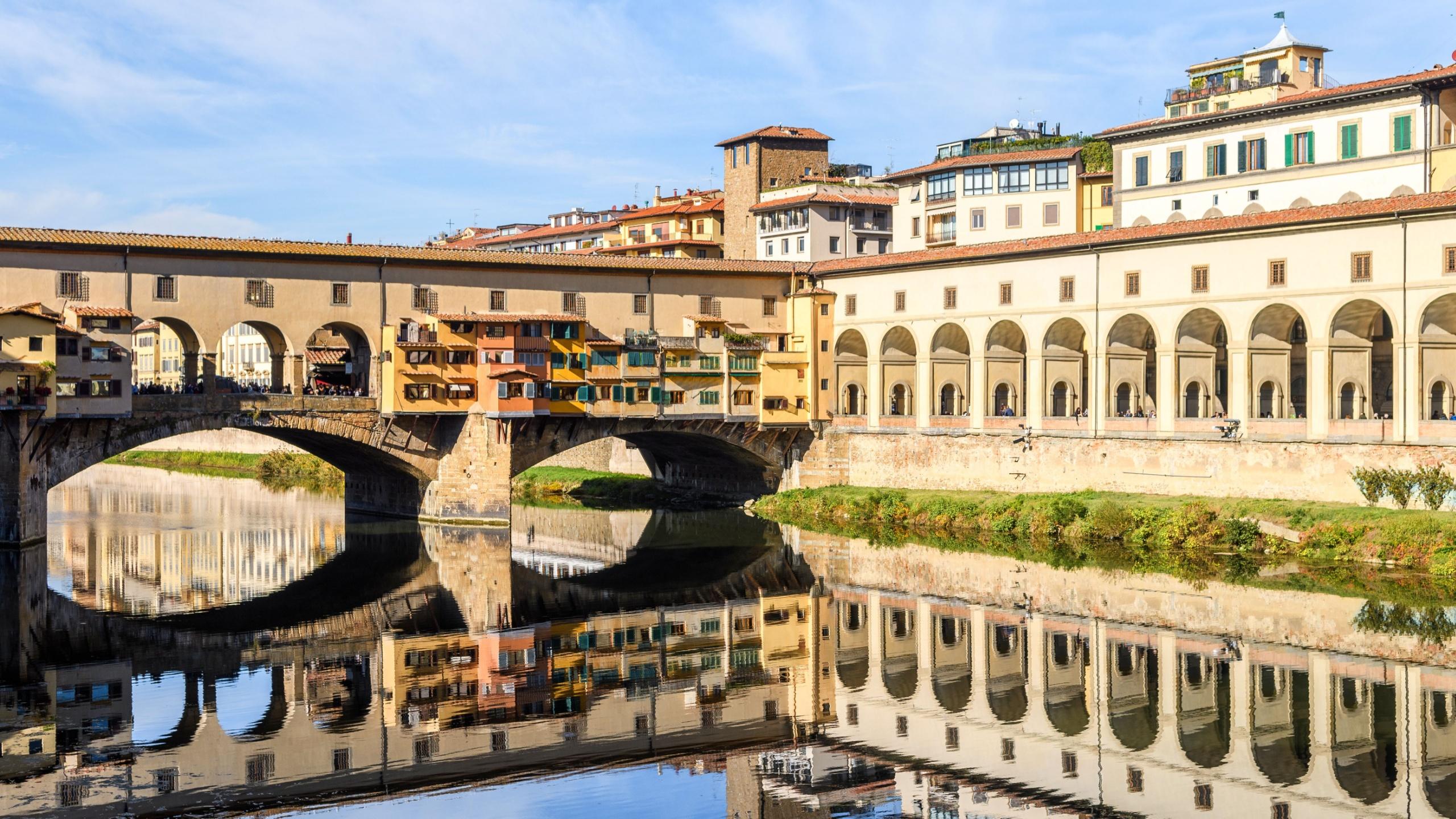
The Corridor concludes near the Boboli Gardens entrance of Palazzo Pitti, the Medici family's grand residential palace across the Arno from their government seat at Palazzo Vecchio. The nearly one-kilometer walk between the two palaces was completed by Giorgio Vasari in just five months in 1565.
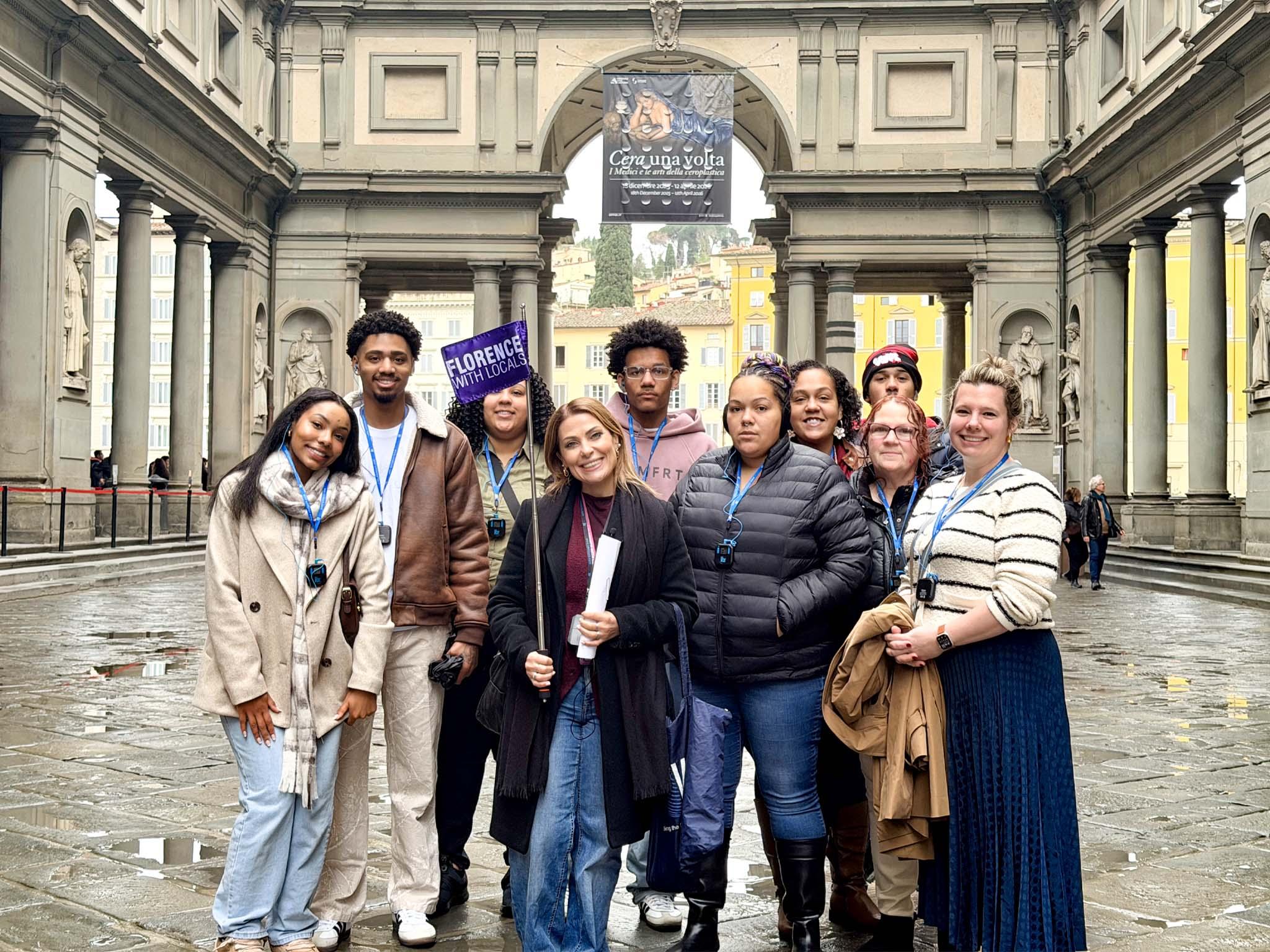
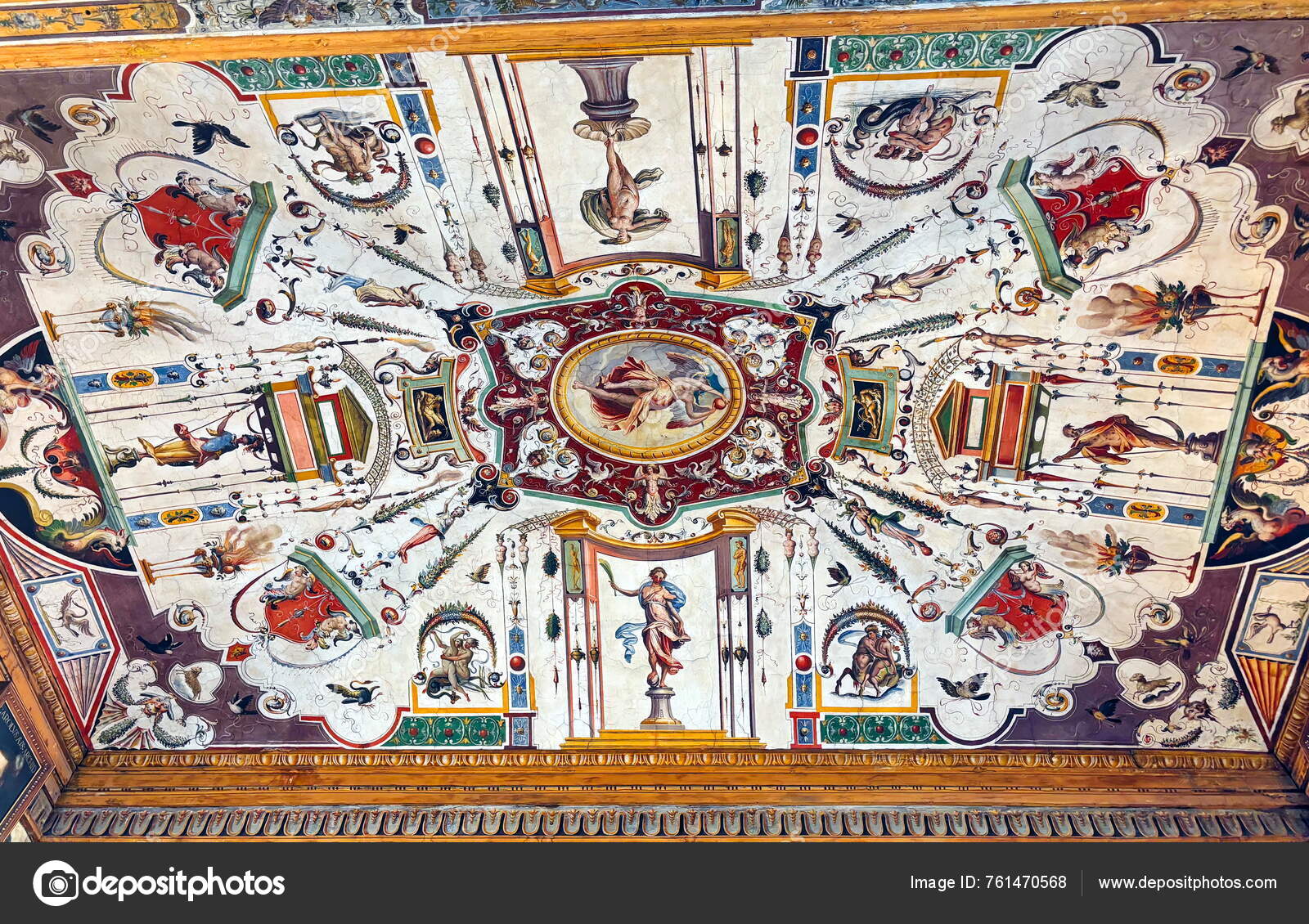
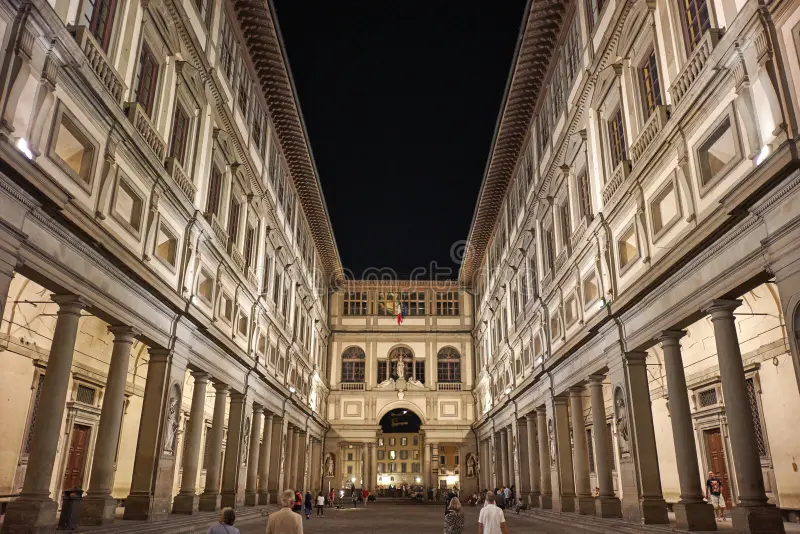
You arrive at Piazzale degli Uffizi, 6 between 10:15 and 12:00, the first Vasari Corridor group of the day, before the afternoon crowds build. Your guide gathers the group under the arcade, checks the combined 47 EUR ticket, and walks you past the sculpture-lined loggia toward security. Inside, you climb to the second-floor rooms and start where the museum starts: three monumental Maestà panels facing each other. You move west through the Botticelli rooms, pause at the Tribuna's octagonal red walls, and cross to the long river-facing corridor where the ceiling grotesques run unbroken overhead. You stop at the windows above the Arno. You take in the Caravaggio room before the group reassembles. Then the passage. A door opens beside the west wing and the ceiling drops. You walk single file down a whitewashed tunnel, footsteps loud, the noise of the gallery gone behind you. You pass the small grated window looking into Santa Felicita. You reach the Ponte Vecchio stretch and stand at the panoramic openings, jewellers' shutters directly below, the Uffizi behind you and the Oltrarno ahead. You emerge near the Boboli end into daylight. Most guided uffizi and vasari corridor tour groups disperse here. You keep the mobile voucher on your phone, cross back over the bridge on foot, and see the corridor from underneath — the same route, now above your head. The museum closes at 18:30.
All the details about your upcoming adventure in one place
This uffizi and vasari corridor tour pairs the Medici picture galleries with Giorgio Vasari's elevated passageway of 1565, which runs above the Ponte Vecchio and links Palazzo Vecchio to Palazzo Pitti. Guides move from Botticelli, Caravaggio and the Tribuna through the corridor's self-portrait collection and the shuttered windows overlooking the Arno. Skip-the-line Uffizi entry is included, and reserved timed access means the corridor section is never oversold.
Giorgio Vasari built a private elevated passage between a palace and a government office in five months, finishing it in 1565 for a wedding. That corridor runs roughly 750 metres from the Palazzo Vecchio, through the Uffizi, over the shops of the Ponte Vecchio, and into the Boboli side of the Arno. Cosimo I de' Medici wanted a route that never touched the street. The butchers who once traded on the bridge were evicted and replaced with goldsmiths, so that the smell would not reach the family overhead. An uffizi and vasari corridor tour therefore joins two very different architectural ideas under one combined ticket. The Uffizi itself was never designed as a museum. Vasari laid it out as administrative offices — uffizi means offices — with a long U-shaped courtyard opening toward the river, its upper loggia intended for light rather than display. The Medici filled that upper floor with sculpture and painting, and by 1765 the collection was open to visitors by request. It remains one of the earliest public galleries in Europe. What the two spaces hold is not interchangeable. The gallery's rooms carry Botticelli's Primavera and Birth of Venus, Leonardo's Annunciation, Michelangelo's Doni Tondo, Titian's Venus of Urbino, and a Caravaggio room that includes the Medusa shield. The corridor is quieter and stranger: a low, whitewashed tube with small windows, reopened to the public in December 2023 after a long restoration that stripped out the celebrated self-portrait collection and returned the passage closer to its original bare state. Where the corridor crosses the Ponte Vecchio, three large panoramic windows — cut in the twentieth century — frame the river in both directions. The architecture rewards attention to joints and compromises. At the eastern end, the passage detours around the Torre dei Mannelli, whose owners refused to allow demolition, so Vasari corbelled the structure out around the tower on brackets. Near Santa Felicita, a small grated balcony let the family hear Mass without entering the church. These are not decorative flourishes; they are the physical record of a ruling house negotiating with a city that did not fully belong to it. That combination — a working office block turned gallery, a bridge-top passage turned monument — explains why florence uffizi gallery tour itineraries now sell the two together rather than apart. Skip-the-line uffizi entry solves the queue on Piazzale degli Uffizi; the timed corridor slot solves the far tighter capacity above the Arno. Visitors choosing an uffizi and vasari corridor tour are buying access to a sightline the Medici built for themselves, and to the Florence landmarks that sightline was designed to avoid.
The corridor is the physical record of a ruling house negotiating with a city that did not fully belong to it.
Wear flat, comfortable shoes for the Corridor's roughly 760-meter walk over hard floors and several staircases; high heels are impractical on the uneven historic flooring. There is no religious dress code, but layered clothing helps since the enclosed passage can feel warm in summer with limited airflow. Most visitors dress the same as for any museum walk-through in Florence.
Only small bags and personal items are allowed inside the Vasari Corridor; suitcases, large backpacks and bulky rucksacks must be left in the free Uffizi cloakroom before joining the group. Security checks and ticket/ID verification happen at the Room D19 meeting point on the Uffizi's first floor, and visitors must match the name printed on their nominative ticket. Re-entry to the cloakroom after the Corridor visit is not possible, so plan what you carry accordingly.
Personal, non-flash photography is allowed inside the Vasari Corridor, but professional equipment such as tripods or detachable-lens rigs is not permitted. Video recording is prohibited throughout the passage, and any images taken cannot be used for promotional or advertising purposes without written authorization from the Uffizi Galleries.
Children of all ages can join an Uffizi and Vasari Corridor tour, but every visitor, including infants, needs a reserved, timed ticket for the Corridor portion. Strollers are not permitted inside the narrow passage, so parents should plan to carry young children or use the Uffizi cloakroom for stroller storage.
The Vasari Corridor includes staircases and narrow sections that limit wheelchair access; a lifting platform is available for visitors with reduced mobility, and wheelchairs or walkers must be returned to Gallery staff at the end of the Corridor before leaving. If the platform is out of order and access is denied, the ticket price is refunded. Visitors with mobility concerns should contact the Uffizi in advance to confirm platform availability for their time slot.
Eating and drinking are not permitted inside the Vasari Corridor itself, and there are no restrooms or refreshment points along the roughly one-kilometer passage. Visitors should use the facilities and cafés inside the main Uffizi Gallery before entering the Corridor, since the enclosed walkway offers no stopping points until it reaches Palazzo Pitti.
Weekly closure day
Extra evening slots July–Nov
Busiest day of the week
Hours
Tue–Sun 08:15–18:30, closed Monday
Address
Piazzale degli Uffizi, 6, 50122 Firenze FI, Italy
Access
Vasari Corridor has stairs and narrow passages, limited wheelchair access
Best arrival
10:15–12:00, first Vasari Corridor group before afternoon crowds build
Bag policy
Large bags, suitcases and backpacks not permitted in the Corridor
Walk · 10-15 min from Duomo · Free
The Uffizi and Vasari Corridor entrance sits in Florence's historic center, a short walk from Piazza della Signoria and the Duomo.
Public transport · 20-30 min from Santa Maria Novella station · Around 1.70 EUR per ride
ATAF city buses C1 and C2 stop near Piazza della Signoria and Ponte Vecchio, within a few minutes' walk of Piazzale degli Uffizi.
Car · 10 min walk from nearest garage · Parking fees vary by garage
Central Florence has a restricted traffic zone (ZTL), so visitors driving in should use a peripheral parking garage such as Parcheggio Beccaria and walk in.
Taxi · 5-10 min from Santa Maria Novella station · Metered fare, roughly 8-12 EUR
Taxis can drop passengers near Piazza della Signoria, close to the Uffizi entrance on Piazzale degli Uffizi.
Uffizi and Vasari Corridor tour tickets are nominative, non-transferable, and generally non-refundable once booked, since the Corridor entry is tied to a fixed time slot. If the lifting platform for reduced-mobility visitors is out of service and access to the Corridor is prevented, the 47 EUR combined ticket fee is refunded.
Recommended time
2.5-3 hours
Plan for about two hours inside the Uffizi galleries plus a roughly 40-minute escorted walk through the corridor, since entry to the galleries is only permitted starting two hours before your booked corridor slot. Choosing the 10:15-12:00 arrival window means moving through the collection before tour groups peak, and it keeps you ahead of the queue building at the security check that every visitor passes regardless of ticket type. Skip-the-line uffizi and vasari corridor tour tickets shave time off entry but not off the fixed two-hour gallery allowance, so add nothing there; subtract time only if you plan a focused route past the main Renaissance rooms rather than a full walkthrough. Afternoon slots keep the same duration on paper, but denser gallery traffic makes reaching Room D19 on time feel tighter.
Crowd levels through the day
Weather · crowds · average price — dots go green to amber to red as each metric rises.
March to May brings mild temperatures around 15–20°C and growing crowds ahead of summer; weekday mornings stay comparatively calmer for an Uffizi and Vasari Corridor tour.
June to August is Florence's peak season with temperatures often above 30°C and the heaviest museum crowds of the year; the enclosed Corridor can feel warm without much airflow.
September and October offer cooler weather near 18–24°C and thinning crowds after the summer rush, making it a favored season for a Florence landmarks visit.
December to February sees the fewest visitors and cool temperatures around 5–12°C, with shorter lines at the Uffizi ticket counters.
An Uffizi and Vasari Corridor tour has a strict number of daily time slots, and July and August dates often sell out weeks in advance.
The printed time refers to Corridor entry, not Uffizi entry; visitors must arrive at the main Uffizi two hours earlier.
Once inside the Corridor there is no going back for items left in the Uffizi cloakroom, so carry only what's needed.
Every named ticket is checked against a photo ID at the Room D19 meeting point before the walk begins.
The enclosed Corridor has limited air circulation, so a small water bottle for before entry helps on hot Florence days.
A Vasari Corridor visit ends near Palazzo Pitti, but entry to that museum requires its own separate ticket.
Uffizi Gallery, first floor, Piazzale degli Uffizi 6, Firenze
Venetian small chapel; arrive 5–10 minutes before your Corridor slot
Get directionsPiazzale degli Uffizi, 6, 50122 Firenze FI
Enter here two hours before your Vasari Corridor time slot
Get directionsIn 1565 Cosimo I de' Medici commissioned Giorgio Vasari to build an elevated passage linking the Palazzo Vecchio to the Palazzo Pitti. The occasion was dynastic: the marriage of Francesco I de' Medici to Joanna of Austria. Vasari completed the roughly one-kilometre route in about five months. The corridor crossed the Arno atop the Ponte Vecchio, threading above the shops below. Any uffizi and vasari corridor tour today follows this same Medici sightline, laid out to let the grand duke move unseen between his offices and his residence. Vasari's path met resistance at the Mannelli Tower. The Mannelli family refused to let the passage cut through their medieval fortification. Rather than demolish it, Vasari engineered a workaround, bending the corridor outward on brackets around the tower's exterior. That corner survives, a visible record of a family that told the Medici no. Along the Ponte Vecchio, Ferdinando I later evicted the butchers in 1593, installing goldsmiths whose trade still lines the bridge. Visitors on a Florence corridor walk still pass the elevated windows added for Napoleon and the Habsburg-Lorraine grand dukes. The corridor's gravest test came in August 1944. Retreating German forces mined Florence's bridges. Every span fell except the Ponte Vecchio; some accounts credit an order to spare it, and the Vasari Corridor rode across intact while the city's other crossings collapsed. A 1993 Mafia car bombing at the nearby Via dei Georgofili damaged sections and destroyed artworks hung inside. The passage closed in 2016 for safety and structural upgrades. After a long restoration addressing fire codes and accessibility, it reopened to the public, and demand for skip-the-line Uffizi access surged. Modern uffizi and vasari corridor tour tickets grant entry to a route once reserved for rulers. Booking an uffizi and vasari corridor tour tour connects the Uffizi galleries to Vasari's engineering. Guided uffizi and vasari corridor tour tours now trace four and a half centuries of Florence landmarks across a single suspended walkway.
Cosimo I commissioned Vasari to build the corridor for a Medici wedding.
Vasari completed the roughly one-kilometre passage in about five months.
Ferdinando I replaced the Ponte Vecchio butchers with goldsmiths.
Retreating forces spared the Ponte Vecchio while Florence's other bridges fell.
A Via dei Georgofili bombing damaged the corridor and destroyed artworks inside.
The corridor closed for structural and safety restoration.
A long restoration reopened the route to public visitors.
The trio of arched windows on the corridor's east side frames the Arno stretching toward Ponte Santa Trinita, with the Ponte Vecchio rooftops directly below. Stand centered at the middle window for the widest river angle; the paced-group format only allows a brief pause here before the escort moves on. This stretch is the headline stop on any uffizi and vasari corridor tour.
A grated opening on the left as you approach the Pitti Palace side looks straight down into the nave of Santa Felicita, the hidden vantage the Medici once used to attend Mass unseen. The angle is narrow and fixed, so the shot works best framed tight through the grille rather than wide. Access is walk-through only, with no lingering permitted beyond the group's pace.
Small circular windows on the corridor's downstream side give a porthole-style view straight down onto the Ponte Vecchio's jewelers' rooftops and the crowds crossing below. These are best for a tight, graphic composition rather than a landscape shot, since each opening is small. Visitors pass a row of them in quick succession.
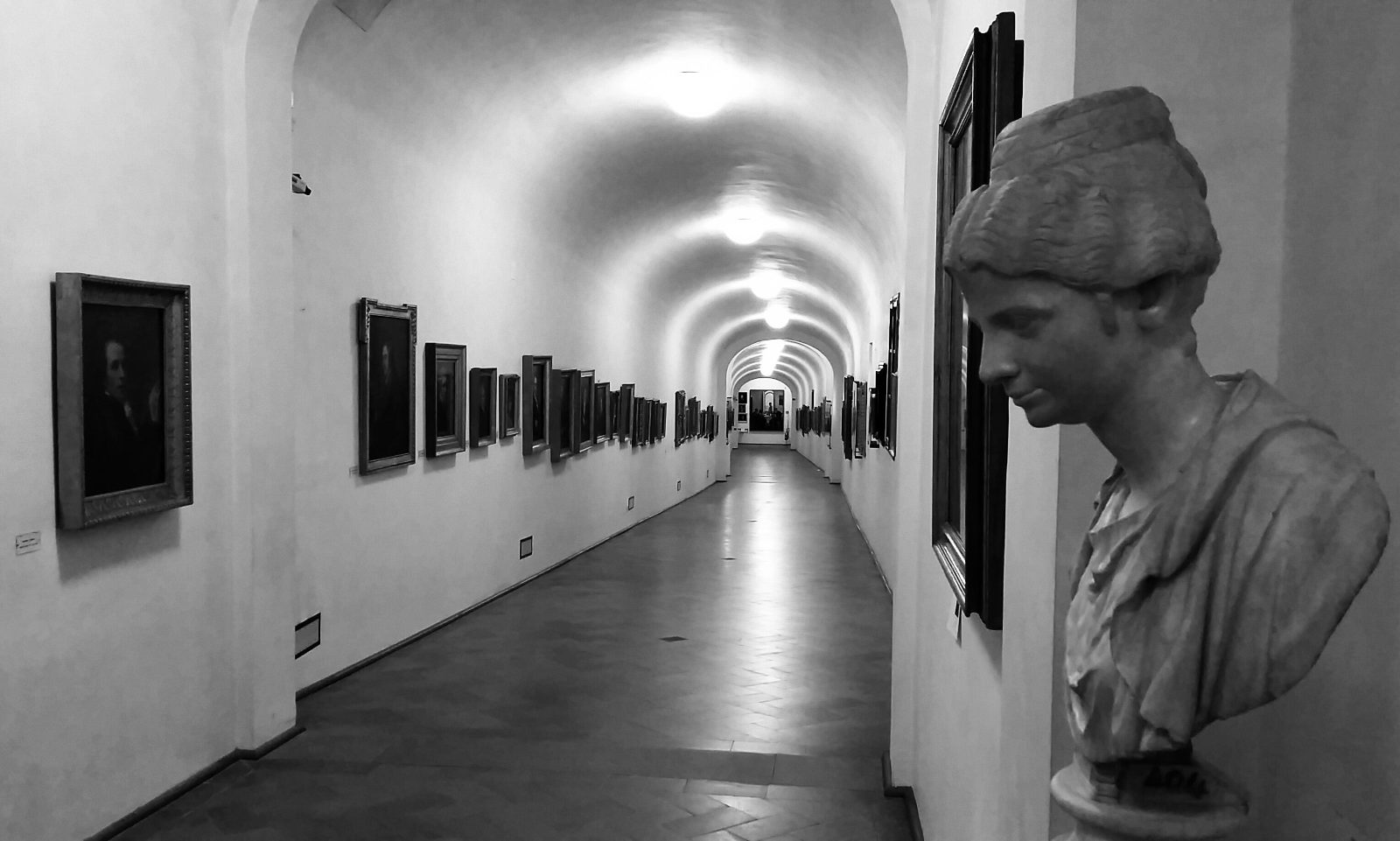
The passage's starting stretch inside the Uffizi galleries offers a look back at the elevated walkway's paintings-lined walls before it narrows toward the open-air Arno crossing. It sets up the contrast between the enclosed gallery feel and the panoramic bridge section ahead. Useful for context shots before the group reaches the main windows.
From street level on the Ponte Vecchio itself, looking up reveals the continuous row of small windows marking the corridor's path above the goldsmith shops. This is the classic outside-in shot that shows where the tour walkway actually runs. Best taken before or after the tour, since photography from inside looking out is the main draw during the visit itself.
Visiting with children on an uffizi and vasari corridor tour means committing to a fixed, escorted walk rather than a browse-at-your-own-pace museum morning. Every child, even infants, needs their own named reservation, so plan the family logistics before you arrive at Piazzale degli Uffizi.
Every child, regardless of age, must be booked by name and date of birth; there is no walk-up admission for kids, even babies in arms, so add each one to the order when you buy your uffizi and vasari corridor tour tickets.
A stroller works fine in the Uffizi Gallery itself, but once your timed group enters the Vasari Corridor there is no stopping or turning back, so plan to carry infants in a soft carrier for that single 30-minute stretch.
The corridor segment is a one-way, staff-escorted walk with no lingering, so treat it as a short, focused stretch for kids rather than a place to explore; save open wandering for the Uffizi galleries beforehand.
Children under six join free and older kids under 18 also enter at no extra cost, but the no-stop walking format suits calmer school-age children better than toddlers who tire of moving lines.
Use the restrooms and baby-change area inside the Uffizi before your corridor slot, since none exist along the passageway itself once the group sets off.
Because the corridor exit lets out near Pitti Palace, pair a rainy morning museum visit with this covered Florence uffizi tour instead of an outdoor itinerary.
Real experiences from real travelers
Standing inside the passage and looking down at the goldsmiths through those round windows was the part I keep thinking about. Our guide on the uffizi and vasari corridor tour explained how the Medici moved between Palazzo Vecchio and Pitti without touching the street. The corridor was warm in June but the air moving through the openings helped.
The wall of artist self-portraits is denser than any photo suggests, frames almost touching. Guide knew which ones were recent additions and which had hung there for centuries. Worth doing the corridoio vasariano with someone who can point them out.
Seeing the Birth of Venus and then walking above Ponte Vecchio an hour later felt like one continuous story. The Uffizi rooms were bright with morning sun coming through the tall windows. Our small group meant we could actually hear the guide.
Plenty of people in the Botticelli rooms, though the corridor itself thinned out nicely. The skip-the-line Uffizi entry saved us standing in the piazza. Guide was patient with questions about Vasari and the Medici commissions.
I had low expectations for a corridor and came away thinking it was the highlight. Cool stone underfoot, the Arno glinting below, and almost no noise from the bridge crowds. Our uffizi and vasari corridor tour finished near the Boboli side which was a nice surprise.
Went on a grey February morning and the Uffizi felt calm, with soft light on the Caravaggio room. The guide traced the corridor route on a map before we walked it which made the geography click. One of the better Florence landmarks experiences we booked.
You get a real sense of why the corridor exists once you are inside it, hugging the river and then cutting through a church balcony. Our guide handled uffizi and vasari corridor tour tickets at the desk so we walked straight in. Bring water, it holds the heat.
The Vasari Corridor at the end of a grey afternoon had a quiet that the main galleries never do. Guide balanced the art talk with the engineering of the thing, which I appreciated. Comfortable shoes matter more than anything else.
August heat made the Uffizi corridor windows very welcome. Our guide moved us through the crowded rooms efficiently and slowed down where it counted. Among the Florence Uffizi tours I compared, this one had the smallest group.
Living nearby I had never been inside the corridoio vasariano until this spring. The stretch above the shops on Ponte Vecchio smells faintly of old plaster and river. Guides on these uffizi and vasari corridor tour tours seem genuinely fond of the place.
Ten of us, one guide, headsets that actually worked in the echoey rooms. The uffizi and vasari corridor tour tour ended with a view up the Arno toward the hills that I did not know existed. Booked it a month out and glad I did.
Everything you need to know for your journey
The Uffizi Gallery and Vasari Corridor are open Tuesday through Sunday from 08:15 to 18:30, and closed on Mondays.
The Corridor includes stairs and narrow passages with limited access; a lifting platform can assist visitors with reduced mobility, and the ticket is refunded if the platform is out of service.
Only small personal bags are permitted inside the Corridor; suitcases, large backpacks and rucksacks must be left in the free Uffizi cloakroom beforehand.
Personal, non-flash photography is allowed throughout the Corridor, though professional equipment and video recording are not permitted.
Arriving for the 10:15–12:00 window secures the first Vasari Corridor group of the day, before afternoon crowds build up.
No formal dress code applies, but comfortable flat shoes are strongly recommended for the roughly 760-meter walk on hard floors.
Eating and drinking are not allowed inside the Corridor, and there are no restrooms along the route, so use Uffizi facilities beforehand.
The meeting point for the Corridor is Room D19 on the Uffizi's first floor, entered from Piazzale degli Uffizi, 6, 50122 Firenze; arrive with ID matching your ticket.
Yes, children can join, though every visitor including children needs a reserved, timed ticket, and strollers are not permitted inside the Corridor.
Tickets are nominative and generally non-refundable, though the 47 EUR combined fee is refunded if accessibility equipment fails and access is denied.
The Corridor sits beside Ponte Vecchio, Piazza della Signoria, Palazzo Vecchio, Santa Felicita church, and the Boboli Gardens, all within a short walk.
The combined Uffizi and Vasari Corridor ticket costs 47 EUR per adult.
Florence's oldest bridge, lined with jewelry shops and crossed overhead by the Vasari Corridor itself.
The city's civic square, home to Palazzo Vecchio and a collection of outdoor Renaissance sculpture.
Florence's fortress-like town hall, and the historic starting point of the Vasari Corridor route.
A small Oltrarno church that the Vasari Corridor passes directly through via an elevated balcony.
Expansive formal Medici gardens behind Palazzo Pitti, reachable near the Corridor's far end.
A design hotel directly on the Arno, steps from the Ponte Vecchio and Uffizi entrance.
A residential neighborhood across the Arno with boutique guesthouses near Palazzo Pitti.
A historic tower hotel in the center of Florence within easy walking distance of the Uffizi.
A district near the main train station with a wide range of budget lodging options.
Join thousands of happy travelers who have discovered this incredible experience
Book Your Experience Now